
For a second date in the Philippines, choose one activity connected to your first conversation, keep travel manageable, and agree on a budget. You already have something to build on; you do not need to turn the next meeting into an elaborate surprise. A good plan gives both people room to talk and decide whether they want to continue.
Choose the activity from something you learned
Recall a detail your date shared willingly. If they enjoyed discussing food, propose a meal with a menu you can check together. If they liked a walk but found the first café noisy, choose a quieter seated meeting with an optional stroll.
Try: “I liked hearing about the books you grew up with. Would you like to browse a bookshop and get a drink on Saturday?” This gives your invitation a reason. It also leaves space for them to say they would prefer coffee only.
Match the plan to your time and energy
| If your first conversation suggested… | Try… | Check together |
|---|---|---|
| A shared interest in art or history | One exhibition and a seated drink | Current hours, admission, and time to talk |
| Enjoyment of being outdoors | A short public walk and a café backup | Weather, walking comfort, and transport |
| Curiosity about each other’s everyday lives | Lunch with an unhurried conversation | Menu, dietary needs, and a clear endpoint |
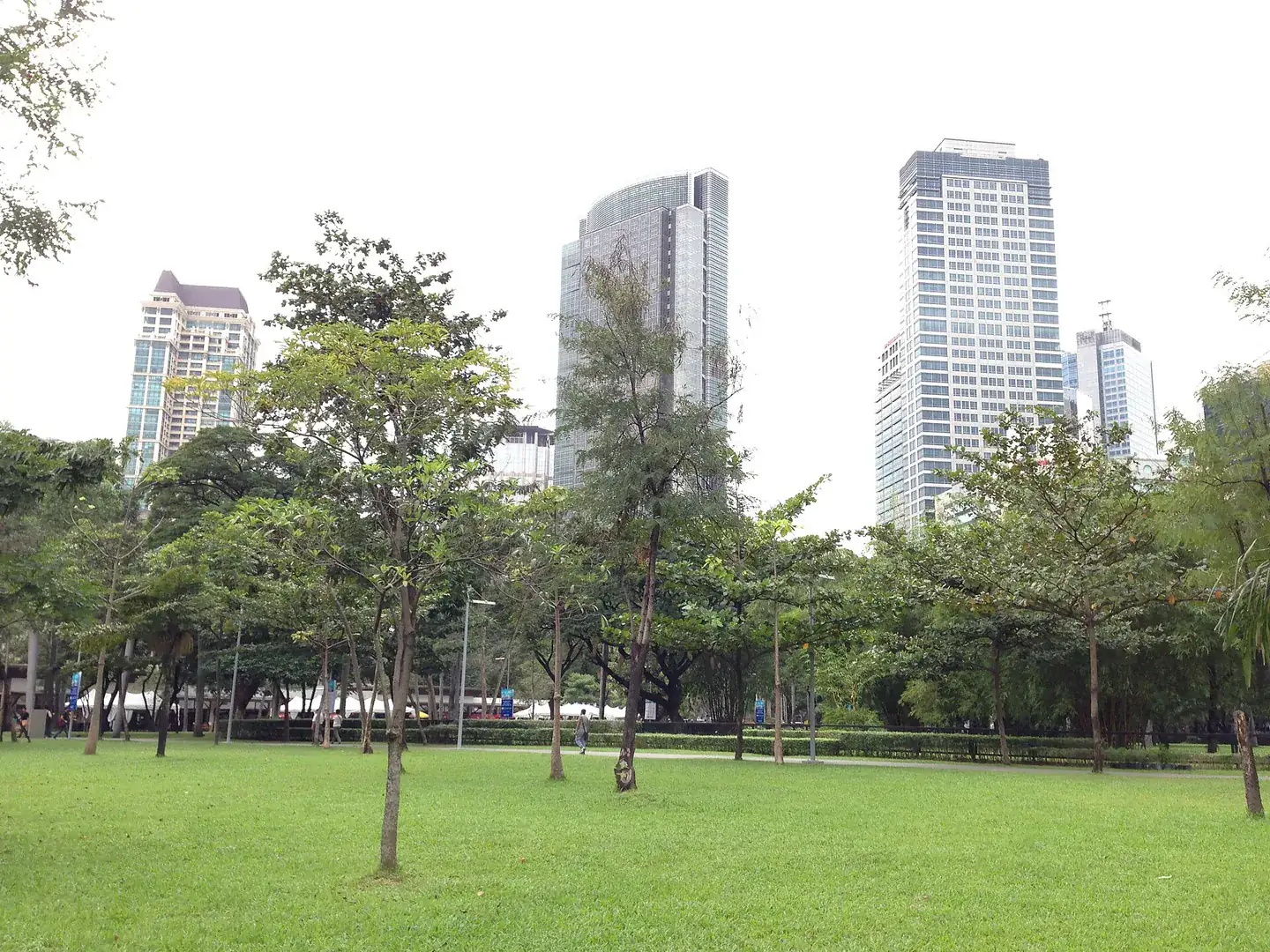
Our Makati guide can help you start a conversation about a local plan. The Ayala Triangle Gardens photograph illustrates the area, not current conditions or a booking recommendation. For other locations, see date ideas across the Philippines. Check the chosen venue directly before going.
Keep the journey part of the decision
Ask which area works for both people before picking the activity. Two places that seem close on a map may still create an inconvenient journey. Avoid making a trip across Metro Manila a compulsory part of a first follow-up meeting.
If you are in different cities, discuss whether a second in-person date is practical now. A video conversation is also a valid next step. Do not book a trip as a surprise or make someone feel responsible for money you chose to spend. Our long-distance guide offers questions for planning across distance.
Send a specific, flexible invitation
“Would you like lunch on Sunday near the area we discussed? We could meet around noon and keep the afternoon free.” This includes a plan and an endpoint while leaving room to choose the exact place together.
If the answer is uncertain, ask once whether another day would suit. A second invitation does not need a persuasive speech. When someone declines without offering an alternative, you can acknowledge it and let them decide whether to reconnect.
Discuss payment without turning it into a test
Check prices from the actual menu or ticket page. Say what works for you before making a reservation: “That is above the budget I had in mind. Would a café work instead?” A comfortable alternative is a useful answer, not a failure of romance.
Agree whether you will pay separately or whether someone is offering to treat. Paying never creates an obligation to stay longer, become physically affectionate, or accept another invitation. Keep independent transport and personal boundaries even when the first meeting went well.
Learn a little more without interviewing each other
Ask about a story from the first date, what they enjoy about their routine, or something they are looking forward to. Offer your own answer rather than moving immediately to the next question. Leave room for a conversation to wander.
Afterwards, consider whether your interest is growing and whether you felt able to express a preference. The second date can clarify uncertainty as well as confirm attraction. You do not have to request a third meeting simply because the other person was kind.
Second-date questions
Should a second date be longer? Only if you both want that. A clear, short plan can still feel thoughtful.
Does meeting twice mean exclusivity? No. Use an explicit conversation when you want to discuss an exclusive relationship.
What should I say afterwards? If you want another meeting, say what you enjoyed and ask directly. If you do not, a brief, respectful message is enough; you do not owe a detailed argument.
Continue the conversation with FilipinoAvo
If you met through FilipinoAvo, use your actual conversation as the starting point for the invitation. For app information, visit the Filipino dating app guide and homepage download links. The goal of another date is a mutual decision about continuing, whatever app or introduction brought you together.
Make the invitation usable
Turn an idea into an invitation someone can actually answer. Include the activity, a general public area, a possible day, and an approximate length. For example: ‘Would you like to meet for a drink on Saturday afternoon? I was thinking of about an hour, somewhere convenient for both of us.’ Ask about the area before choosing the exact place. Someone may like the activity while finding the journey difficult, so leave those decisions separate. If they suggest a different day or neighborhood, treat that as useful information rather than a rejection. Confirm the final plan together; a tentative suggestion is not a booking or an obligation.
Compare the complete journey, not just the point halfway between two map pins. Each person should consider the trip out, the trip home, transfers, weather exposure, and how tired they will be afterward. You can share a convenient district or station without giving a home address. Ask, ‘Is that area still comfortable for your journey back?’ A place close to one person’s office may be inconvenient for the other person after work. If there is no reasonable overlap, choose another day or a short call. Solving the travel problem together gives you more useful information than expecting one person to prove interest through an exhausting commute.
Check the practical details together
Decide what you can comfortably spend before agreeing to an outing. Count transport, admission, food, and a way home, rather than only the cheapest menu item. You can say, ‘I would prefer a simple drink this time. Would that work for you?’ Discuss an invitation to pay separately from any expectation about affection or another date. An offer is only helpful if the other person can decline it without embarrassment. If a proposed activity costs too much, suggest a real alternative instead of quietly overspending. Keeping a plan affordable makes it easier to be present, and it prevents a pleasant meeting from creating a debt that neither person agreed to.
Ask about practical comfort without requesting a medical explanation. ‘Would you prefer somewhere with little walking and a quieter table?’ is often enough to begin. Stairs, standing queues, crowded entrances, background music, seating, and toilets can change whether a plan is enjoyable. Check the details that matter before promising a venue will work. A beautiful photograph does not establish that a place is accessible or calm at the proposed time. If you cannot confirm a requirement, be honest and choose a more predictable option together. Making a plan easier to use is a shared responsibility, not a favor that someone must repay with gratitude or personal disclosure.
Keep the meeting comfortable
Make one backup plan before leaving, and agree on when to use it. That might mean moving to a nearby indoor table or postponing if either journey becomes uncomfortable. Check the venue’s own information for current opening arrangements, admission, and closures; an older article or photo cannot confirm today’s situation. Send a change clearly rather than expecting the other person to follow your location in real time. If a replacement plan becomes more expensive, longer, or harder to reach, ask again before proceeding. Both people agreed to the original outing, so neither should be expected to accept every change merely because they have already started getting ready.
Prepare a few openings rather than a list of questions to complete. Ask about something already mentioned, listen to the answer, and contribute a related experience. ‘What did you enjoy about that?’ often goes further than moving immediately to the next topic. If a question seems too private, offer another direction without asking why they are uncomfortable. A pause can simply be a pause; you can take a sip, notice your surroundings, or share something yourself. Notice whether both people have room to speak over the whole exchange. A successful conversation does not require constant laughter, instant intimacy, or agreement on every preference.
Decide what comes next
After an exchange or meeting, separate appreciation from a promise. ‘Thank you for making time today’ acknowledges the effort without agreeing to another date. If you want to continue, name something you enjoyed and suggest a manageable next step. If you do not, a short, kind message is clearer than an enthusiastic invitation you hope will fade away. There is no need to give an unsolicited review of the other person’s looks or personality. If you are uncertain, take time to reflect without asking them to wait indefinitely. Your answer can change as you learn more; communicate the change when it affects an existing plan or expectation.